WHO calls for urgent, sustained support to protect essential health services in Sudan
By Margaret Wanjiku
Khartoum, Sudan – The World Health Organisation (WHO) is calling for sustained
support to keep essential health services functioning in Sudan’s White Nile and North
Kordofan states, where conflict, displacement, disease outbreaks and shortages of
medicines and power continue to strain the health system.
The call follows a WHO mission to Kosti in White Nile State, and to El Obeid, North
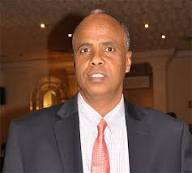
Kordofan’s capital, from 7 to 12 November, led by WHO Representative in Sudan Dr
Abdinasir Abubakar.
“The health needs I witnessed in White Nile and North Kordofan are immense. We
urgently need to scale up essential health services in peripheral localities and
displacement camps,” said Dr Abdinasir. “Despite enormous challenges, health workers
and partners remain committed to serving the most vulnerable communities. We must
match their commitment with sustained support.”
Prolonged conflict, displacement, food insecurity, disease outbreaks and malnutrition
have severely disrupted health services. Across Sudan, 21 million people need health
assistance, while 37% of health facilities are non-functional.
The mission highlighted continuing gaps in electricity supplies, medicines, operational
resources and access to care in both states. Power interruptions continue to disrupt
critical services, including operating theatres, intensive care, neonatal incubators,
oxygen generation, blood banks, dialysis and laboratory services, putting patients at
risk. Reliable power, including solarization, is urgently needed to sustain lifesaving
services.
White Nile State hosts more than 216 000 internally displaced people and nearly
455 000 refugees – approximately half of Sudan’s refugee population – placing
considerable pressure on already strained health services.
In North Kordofan, prolonged conflict, displacement, food insecurity and economic
hardship are exacerbating health and nutrition needs. El Obeid hosts most of the over
141 000 internally displaced people in Sheikan locality, further straining already
overstretched health services.
WHO support to Kosti Teaching Hospital reached more than 24 000 people between
November 2025 and April 2026. WHO also supported oxygen-cylinder refills, provided
three oxygen concentrators and installed solar capacity in the Emergency Department.
A separate solar system at Kosti Renal Dialysis Centre is helping sustain lifesaving
emergency dialysis services during frequent power outages.
In El Obeid, WHO support in 2025–2026 has contributed to approximately 344 500
health services, including 90 000 patient consultations. WHO also provided over 9000
litres of fuel to help maintain electricity at El Obeid Teaching Hospital, alongside
medicines, supplies, capacity-building and operational support.
During the mission, Dr Abdinasir met with state government officials, health authorities,
WHO teams and humanitarian partners to review priority needs and ongoing
humanitarian response and recovery interventions. In Kosti, he opened a training
workshop on Ebola virus disease preparedness, and in El Obeid he joined the monthly
Health Cluster meeting with six health partners to strengthen coordination and the
collective health response.
WHO calls for urgent, sustained flexible funding to maintain and expand essential health
services, support frontline health workers, strengthen outbreak preparedness and
response and ensure reliable medical supplies, power and emergency referral systems.
Safe, sustained and unhindered humanitarian access and the protection of health
workers, patients and health facilities are also crucial.
WHO continues to work with health authorities, communities, Health Cluster partners
and donors to sustain lifesaving services and support the recovery of Sudan’s health
system.